In the first devlog, I talked about the systems that had already been implemented in their minimal functional version. This time, I want to share a bit about how the first real area of the game is being created, and how those systems are being tested inside it.
The meaning and purpose of the first area
From a gameplay perspective, the first area is where the player should have opportunities to learn the game’s main mechanics. I'm not a big fan of explicit tutorials that clearly tell the player what to do and which button to press. I think level design that's intentionally built to give the player opportunities to deduce how the mechanics work is almost always more elegant.
In this game, each area carries a very specific meaning. The items, decoration, atmosphere, puzzles, and emotional tone of an area will all be connected to that meaning. This is a really important detail because the story being told is closely tied to these meanings.
The first area the player explores is known as "Denial", and as the story progresses, the player begins to understand how that fits into the narrative as a whole.
Level design
As you can see in the images I will show below, the area is being built with placeholder assets, so don't focus too much on the visual details. Try to imagine the look and feel of the area as I describe it.
The game begins with the player in his bedroom, which, in the dream world, is part of a large garden that acts as a kind of hub connecting all the areas. This dreamlike bedroom is where the first dialogue between the boy and his cat takes place. The player gets their first contact with the game’s story and starts to understand what they are supposed to do. The dialogue here needs to be short, but still substantial enough so the story doesn't feel superficial, like a simple "go save the princess" setup.
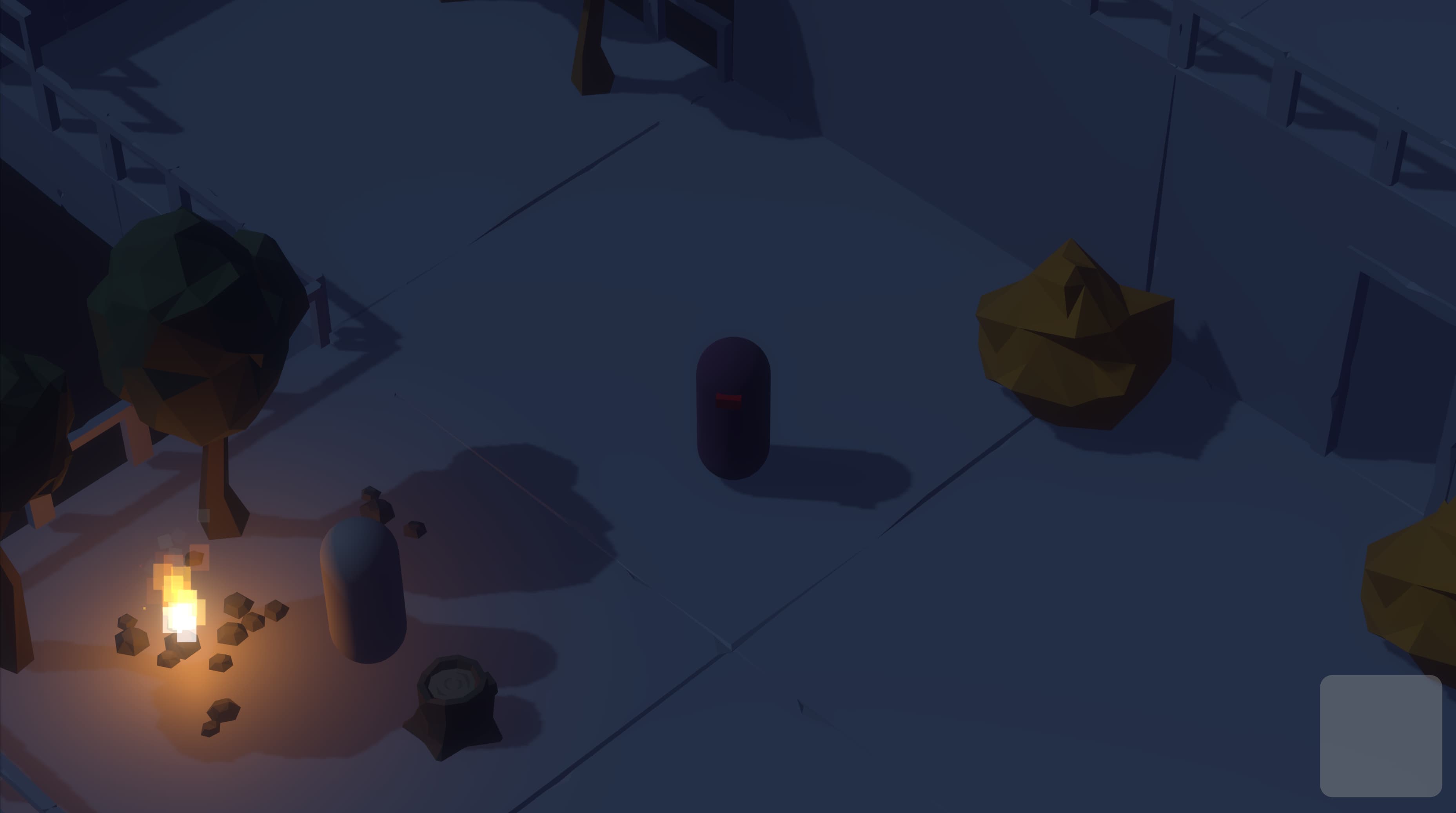
After leaving the bedroom, the player enters a large dream garden. This is where the first NPC is found, and a small set of steps gives the player a chance to figure out which button jumps. The garden contains paths to inaccessible areas that are meant to catch the player’s attention. The goal is to encourage the player to explore the map and show that there are hidden rewards.
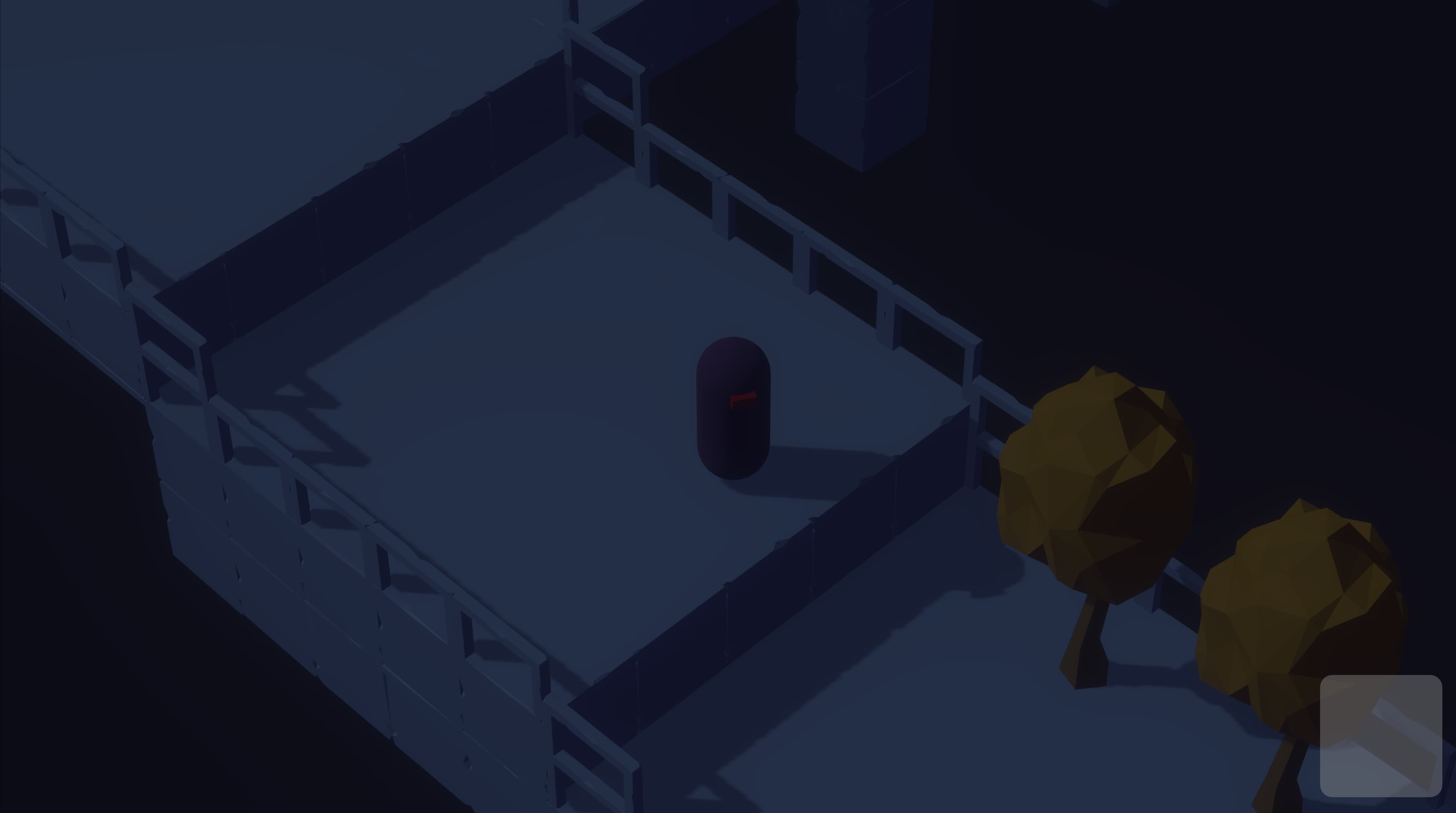
As the player continues, they will find the entrance to the Denial area, where they can solve one puzzle to collect a memory (more about that below) and another puzzle to unlock a passage back to the dream garden.
Collecting memories
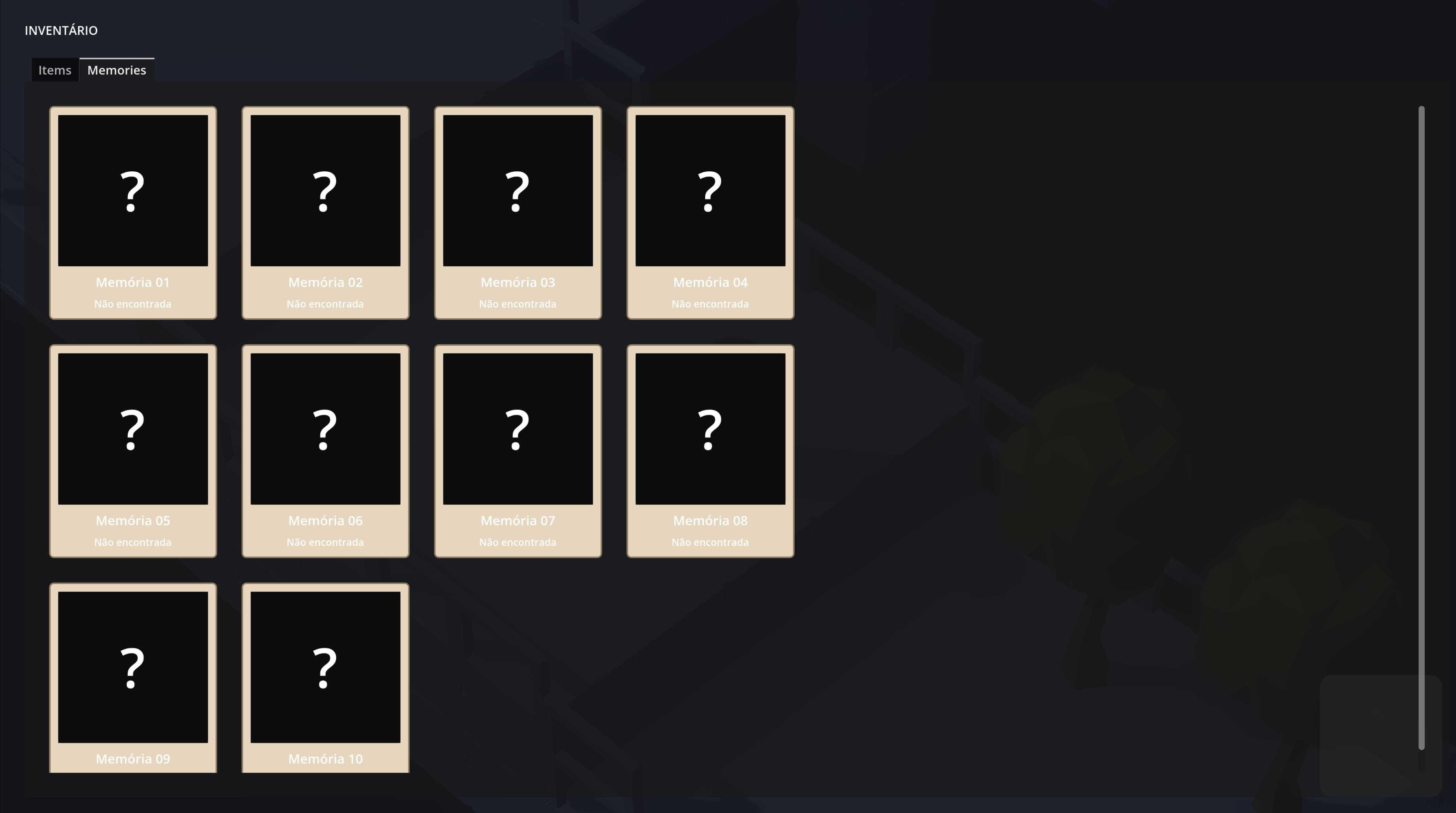
During his journey to find a cure for the cat, the boy needs to find and collect several units of a special item called a "Memory". Each one represents a happy moment between the boy and his cat, and with each memory collected, the boy gets closer to finding the cure.
Collected memories can be viewed in an inventory tab, as shown in the image below:
Dream Lens
Upon entering the Denial area, the player gains access to the first item in the game: the Dream Lens. It's given by an NPC, and a dialogue reveals why the player receives this item and how to use it. When equipped, it reveals details on the map that are not visible to the naked eye, such as passages and objects. The NPC describes the lens as something that "shows what a person refuses to see". In the video below, there's a demonstration of the lens being equipped and revealing a previously inaccessible path:
What's done and what's still missing before the prototype is finished
With the implementation of the global state, memory collection system, items, and inventory, most of the initial mechanics that'll be part of the prototype now have their first version working. They still need a lot of polish before the first playtest, and that'll still take some time.
The first area is already close to having its level design finished, but more testing is needed and there will still be adjustments. In addition, the lighting, atmosphere, and tone still need to be implemented.
The game still looks rough, but I already feel it's starting to communicate the intention I have for it. There is still a lot of work ahead before the prototype is ready, but I'm moving quickly and I have the feeling that I'm heading in the right direction.
Join the conversation
Leave a comment
Share a thought, correction, question, or note. It appears after moderation.
Comments
4 commentsConcordo totalmente com a abordagem de "gameplay tutorial", onde uma fase inicial do jogo é usada para ensinar as mecanicas propostas, acho isso uma característica de jogo com bom game design. Adorei particularmente o efeito da ponte sob a lente dos sonhos, ficou surreal. Muito animador saber que o jogo ja está com uma área inicial! Ansioso para os próximos devlogs.
Pela questão das memórias, me lembrou Em Busca do Tempo Perdido, do Proust. Também me veio a animação Divertidamente, com aquelas bolas coloridas das experiências de vida. Me refiro a essas referências como coisas positivas, porque já sinto a história autêntica. Fiquei curioso como vc vai trabalhar o conceito de negação. Me parece um jogo de bastante sensibilidade.
@Diguifi obrigado por acompanhar e não preciso repetir que é uma grande inspiração pra mim como game dev =)
@Thomaz confesso que nunca li essa obra de Proust, mas li sobre ela e concordo com a referência.Na história do jogo, a memória tem um papel crucial pq é recuperando essas memóriasquase perdidas que o processo de cura acontece. Obrigado por comentar, significa muito pra mim!